
APPAU - St. Louis
APPA's premier professional development event

Four signature APPA programs. One week in St. Louis.
Choose the Institute, Leadership Academy, CEFP Exam Prep, or the T3 workshop — all taught by faculty from across the country, all at one hotel, September 14–17.

What is APPAU?
APPAU is APPA's premier professional development opportunity—offering multiple training courses together at a single location.
APPAU offers the convenience of these educational opportunities in one location with teaching faculty from across the country to help students envision the full spectrum of the facilities management profession. APPAU’s reputation for preparing facilities management professionals and their teams with the tools to meet competing priorities and deadlines within budget constraints and sustainability goals makes it a valuable educational experience.
Choose your track
Every registration covers one program. The Institute, Leadership Academy, and CEFP Exam Prep run full days Tuesday through Thursday; the T3 workshop runs Tuesday and Wednesday.
Institute for Facilities Management
Pick one of four core topic areas. Rich content plus hands-on exercises; cores may be taken in any order.
3-Day ProgramLeadership Academy
A four-level progression through individual, interpersonal, managerial, and organizational leadership skills.
3-Day ProgramCEFP Exam Prep
Instructor-led review of all four BOK competency areas. The proctored exam fee is included in the course price.
3-Day ProgramT3: Investing in the Future Facilities Workforce
Seven case-study sessions on recruitment, retention, apprenticeship, and upskilling from institutions doing the work now.
2-Day WorkshopWhat's included
APPAU kicks off with a Monday evening reception and closes Thursday evening, where we celebrate graduates who have completed all four cores of the Institute for Facilities Management or all four levels of the Leadership Academy.
Registration fees
Register by September 1, 2026. Business Partner rates reflect membership level.
Institute, Leadership Academy, and CEFP Exam Prep
| Registration Type | Rate |
|---|---|
| APPA Institutional Members | $1,760 |
| Non-Members | $2,133 |
| APPA Platinum Business Partners | $1,600 |
| APPA Gold Business Partners | $1,706 |
| APPA Silver Business Partners | $1,813 |
| APPA Bronze Business Partners | $1,920 |
APPA Institutional Members save $533.
T3: Investing in the Future Facilities Workforce
| Registration Type | Rate |
|---|---|
| APPA Institutional Members | $1,172 |
| Non-Members | $1,420 |
| APPA Platinum Business Partners | $1,065 |
| APPA Gold Business Partners | $1,136 |
| APPA Silver Business Partners | $1,207 |
| APPA Bronze Business Partners | $1,278 |
APPA Institutional Members save $355.
Institute for Facilities Management
Attendees selecting the Institute choose from one of four core facilities management topic areas for their APPAU event. Each core topic area provides rich content and hands-on exercises for attendees. The Institute core courses may be taken in any order.
Institute students receive Professional Development Hours (PDHs) after completing any of the four core areas. Many Institute students return to APPAU to complete all four core content areas and become Institute Graduates. More details about APPA's Institute for Facilities Management.
Leadership Academy
APPA’s Leadership Academy prepares educational facilities professionals to become effective leaders with the skills to create thriving cultures of trust and lifelong learning that they can take back to their institutions. A comprehensive collection of four courses for educational facilities professionals, the Leadership Academy touches on all aspects of successful leadership skills: individual, interpersonal, managerial, and organizational.
Leadership Academy students follow a progression through APPA's leadership courses (one level per APPAU):
Leadership Academy students receive Professional Development Hours (PDHs) after completing each of the four levels. Many Leadership Academy students return to APPAU to complete all four levels and become Leadership Academy Graduates. More details about APPA's Leadership Academy.
CEFP Exam Study Course
APPA will be providing the CEFP Exam Prep Course for professionals preparing for the Certified Educational Facilities Professional (CEFP) credential exam. This 3-day program will review key facilities management topics and prepare students for the content of the CEFP exam. This instructor-led program delivers a rich, in-depth interactive course led by an educational facilities professional and covers all four core competency areas of APPA’s Body of Knowledge (BOK):
Through real-time instruction and collaborative discussions, participants gain a deeper understanding of facilities management and how all areas interconnect to support the mission of their organization. The CEFP proctored exam fee is included in the course price (the exam is scheduled and taken after the course).
Targeted Titles and Topics (T3) Workshop
Join us for a Targeted Titles and Topics (T3) workshop on Investing in the Future Facilities Workforce. Facilities leaders across education are facing persistent workforce challenges, from unfilled skilled trades positions to rising turnover, retirements, and growing competition for talent. This T3 session spotlights real-world strategies institutions are using to strengthen their workforce pipeline and build teams that can sustain operations today and into the future.
Hear case studies from leaders in the field and engage in discussions with APPA's institutional members and business partners. This two-day event (Tuesday and Wednesday) will be filled with ideas, discussions, and important takeaways to propel your organization forward. As part of APPAU, T3 participants will network with facilities professionals from around the globe throughout the event.
Sponsorship opportunities available
Get your brand in front of 400+ facilities management professionals from across North America by sponsoring APPAU.
Why APPAU?
Hear from some of our prior APPAU attendees about the impact this professional development event is having on their career journeys.
Join us at the Hilton St. Louis at the Ballpark
Pick your program, book your room, and spend a week with faculty and peers who do this work every day.
Register Now Book Your RoomAPPAU St. Louis Conference Schedule
Monday, September 14 through Thursday, September 17 at the Hilton St. Louis at the Ballpark. Select a day below to see its full timeline.
Monday 9/14
Tour - St. Louis Arch
Registration Desk Open
Grand Foyer
Opening Reception
Salon C-G
Tuesday 9/15
Breakfast
Salon C-G
Targeted Titles & Topics
Lindbergh
IFM-General Administration
Archview Ballroom
IFM-Operations & Maintenance
Gateway 2
IFM-Planning, Design & Construction
Gateway 3
IFM-Electric & Utilities
Gateway 4/5
Leadership Academy 1
Broadway
Leadership Academy 2
Ballpark 1
Leadership Academy 3
Ballpark 2
Leadership Academy 4
Ballpark 3
CEFP
Grand Suite 3
Break/Snack
Targeted Titles & Topics
Lindbergh
IFM-General Administration
Archview Ballroom
IFM-Operations & Maintenance
Gateway 2
IFM-Planning, Design & Construction
Gateway 3
IFM-Electric & Utilities
Gateway 4/5
Leadership Academy 1
Broadway
Leadership Academy 2
Ballpark 1
Leadership Academy 3
Ballpark 2
Leadership Academy 4
Ballpark 3
CEFP
Grand Suite 3
Lunch
Salon C-G
Targeted Titles & Topics
Lindbergh
IFM-General Administration
Archview Ballroom
IFM-Operations & Maintenance
Gateway 2
IFM-Planning, Design & Construction
Gateway 3
IFM-Electric & Utilities
Gateway 4/5
Leadership Academy 1
Broadway
Leadership Academy 2
Ballpark 1
Leadership Academy 3
Ballpark 2
Leadership Academy 4
Ballpark 3
CEFP
Grand Suite 3
Break/Snack
Targeted Titles & Topics
Lindbergh
IFM-General Administration
Archview Ballroom
IFM-Operations & Maintenance
Gateway 2
IFM-Planning, Design & Construction
Gateway 3
IFM-Electric & Utilities
Gateway 4/5
Leadership Academy 1
Broadway
Leadership Academy 2
Ballpark 1
Leadership Academy 3
Ballpark 2
Leadership Academy 4
Ballpark 3
CEFP
Grand Suite 3
T3 & Faculty Appreciation Reception
SkyBar
Wednesday 9/16
Breakfast
Salon C-G
Targeted Titles & Topics
Lindbergh
IFM-General Administration
Archview Ballroom
IFM-Operations & Maintenance
Gateway 2
IFM-Planning, Design & Construction
Gateway 3
IFM-Electric & Utilities
Gateway 4/5
Leadership Academy 1
Broadway
Leadership Academy 2
Ballpark 1
Leadership Academy 3
Ballpark 2
Leadership Academy 4
Ballpark 3
CEFP
Grand Suite 3
Break/Snack
Targeted Titles & Topics
Lindbergh
IFM-General Administration
Archview Ballroom
IFM-Operations & Maintenance
Gateway 2
IFM-Planning, Design & Construction
Gateway 3
IFM-Electric & Utilities
Gateway 4/5
Leadership Academy 1
Broadway
Leadership Academy 2
Ballpark 1
Leadership Academy 3
Ballpark 2
Leadership Academy 4
Ballpark 3
CEFP
Grand Suite 3
Lunch
Salon C-G
Targeted Titles & Topics
Lindbergh
IFM-General Administration
Archview Ballroom
IFM-Operations & Maintenance
Gateway 2
IFM-Planning, Design & Construction
Gateway 3
IFM-Electric & Utilities
Gateway 4/5
Leadership Academy 1
Broadway
Leadership Academy 2
Ballpark 1
Leadership Academy 3
Ballpark 2
Leadership Academy 4
Ballpark 3
CEFP
Grand Suite 3
Break/Snack
Targeted Titles & Topics
Lindbergh
IFM-General Administration
Archview Ballroom
IFM-Operations & Maintenance
Gateway 2
IFM-Planning, Design & Construction
Gateway 3
IFM-Electric & Utilities
Gateway 4/5
Leadership Academy 1
Broadway
Leadership Academy 2
Ballpark 1
Leadership Academy 3
Ballpark 2
Leadership Academy 4
Ballpark 3
CEFP
Grand Suite 3
Thursday 9/17
Breakfast
Salon C-G
IFM-General Administration
Archview Ballroom
IFM-Operations & Maintenance
Gateway 2
IFM-Planning, Design & Construction
Gateway 3
IFM-Electric & Utilities
Gateway 4/5
Leadership Academy 1
Broadway
Leadership Academy 2
Ballpark 1
Leadership Academy 3
Ballpark 2
Leadership Academy 4
Ballpark 3
CEFP
Grand Suite 3
Break/Snack
IFM-General Administration
Archview Ballroom
IFM-Operations & Maintenance
Gateway 2
IFM-Planning, Design & Construction
Gateway 3
IFM-Electric & Utilities
Gateway 4/5
Leadership Academy 1
Broadway
Leadership Academy 2
Ballpark 1
Leadership Academy 3
Ballpark 2
Leadership Academy 4
Ballpark 3
CEFP
Grand Suite 3
Lunch
Salon C-G
IFM-General Administration
Archview Ballroom
IFM-Operations & Maintenance
Gateway 2
IFM-Planning, Design & Construction
Gateway 3
IFM-Electric & Utilities
Gateway 4/5
Leadership Academy 1
Broadway
Leadership Academy 2
Ballpark 1
Leadership Academy 3
Ballpark 2
Leadership Academy 4
Ballpark 3
CEFP
Grand Suite 3
Break/Snack
IFM-General Administration
Archview Ballroom
IFM-Operations & Maintenance
Gateway 2
IFM-Planning, Design & Construction
Gateway 3
IFM-Electric & Utilities
Gateway 4/5
Leadership Academy 1
Broadway
Leadership Academy 2
Ballpark 1
Leadership Academy 3
Ballpark 2
Leadership Academy 4
Ballpark 3
CEFP
Grand Suite 3
Graduation
Salon C-G
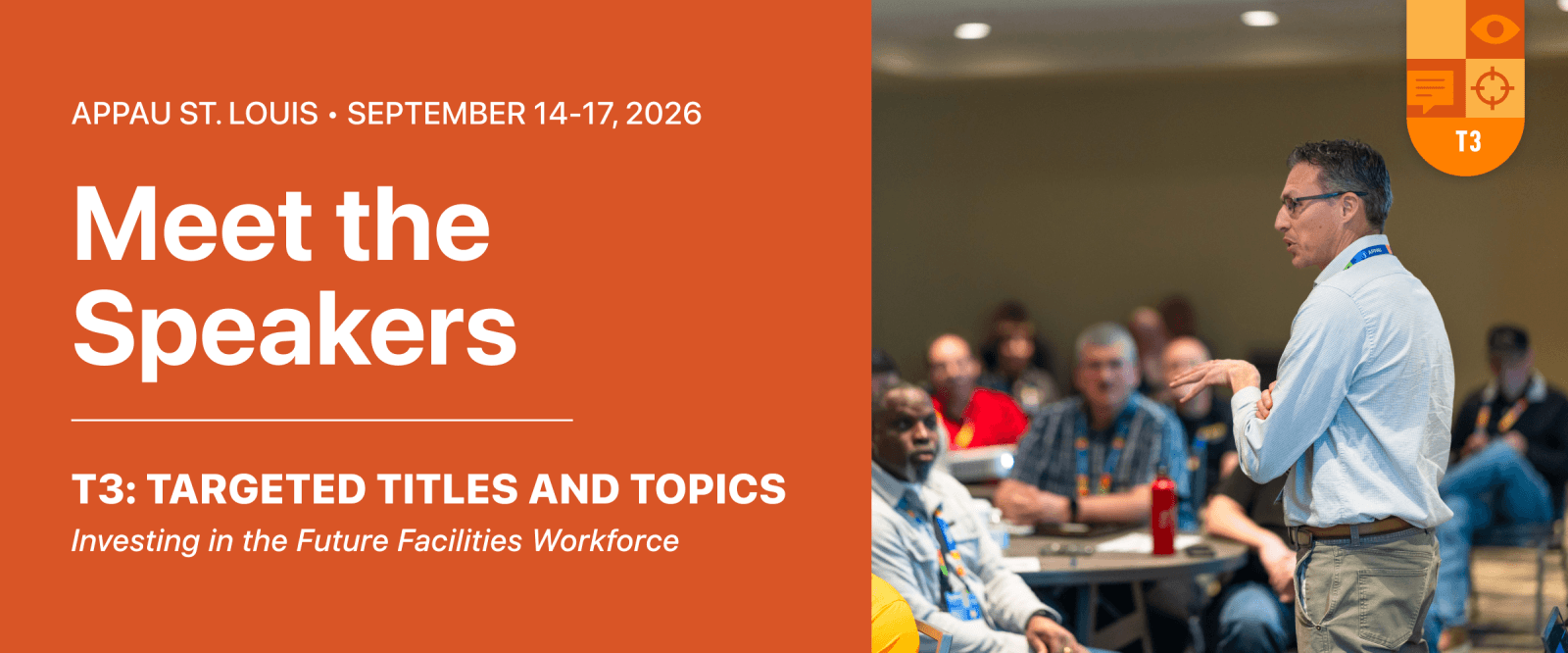
Investing in the Future Facilities Workforce
Seven case-study sessions on recruitment, retention, apprenticeship, and upskilling — led by practitioners and researchers doing this work at their own institutions right now.
Meet the speakers
The speaker lineup is set for T3: Targeted Titles and Topics at APPAU St. Louis, and it is one worth clearing your calendar for.
Taking place September 15–16, this year's T3 curriculum is built around a single pressing theme: Investing in the Future Facilities Workforce. The sessions cover recruitment, retention, apprenticeship, and upskilling strategies, led by practitioners and researchers who are doing this work at their own institutions right now.
Recruitment and Retention Trends and Impact
Dr. Andy Brantley · CUPA-HR
During the last decade, the median time in position has decreased for all educational workforce facilities positions, and our pipelines to fill many of these positions are typically inadequate or nonexistent. To reverse this trend, we must create a sense of urgency for facilities, human resources, business officers, and other campus leaders to sustain and strengthen the educational facilities workforce. During this session, we will explore just-released data that highlights this decline in tenure for higher ed facilities positions and discuss specific actions facilities leaders can take to recruit and retain the workforce needed to sustain and support campus operations now and into the future.
Your Campus as a Living Laboratory: Building the Next Generation Facilities Workforce Through University–Industry Partnerships
Bahar Armaghani, University of Florida · Steve Hoiberg, Siemens
Colleges and universities nationwide face critical workforce pressures: shrinking skilled-trades pipelines, accelerating retirements, and rising demand for expertise in smart building technologies, energy systems, and decarbonization. To meet these challenges, the University of Florida and Siemens have developed a scalable, industry-integrated workforce development model that aligns academic preparation with the operational needs of modern campuses. Within UF's College of Design, Construction and Planning, the new Ramos Collaboratory gives students, early-career professionals, and facilities teams a shared space to explore emerging technologies using real-time data.
At its core, the Siemens Technology and Innovation Lab features AI-enabled building systems and supports a hands-on "learn while doing" approach reinforced by internships, applied projects, and direct interaction with industry professionals. Early results show measurable gains in student engagement, stronger alignment between academics and facility operations, and clearer pathways into facilities careers.
Curriculum also addresses energy efficiency, sustainability, WELL, and LEED standards, with HBCU-focused content available virtually. Presenters will share challenges, best practices, and practical strategies attendees can adapt to use their own campuses as living laboratories for workforce development and recruitment.
Building the Next Generation of Facilities Leaders: A Case Study from PSFEI
Beth Clark · Pennsylvania State University
Developing and retaining the next generation of facilities leaders requires intentional investment and strategies rooted in real-world experience. This session presents a case study from PSFEI, a unique organization whose staff both practice and teach facilities management.
That dual perspective allows them to design, implement, and assess leadership initiatives for their own team while advising facilities professionals across PASSHE schools, correctional institutions, state hospitals, military and veterans facilities, and the Pennsylvania Turnpike Commission. The challenges are universal: recruiting, developing, and retaining critical operations talent. At PSFEI, every staff member completes The 7 Habits of Highly Effective People, aligned with APPA Leadership Academy Level 1, with many continuing to advanced levels. Their Effective Facility Management Year 2 leadership curriculum has been redesigned around situational leadership, delivered through interactive group activities and gamification.
Additional initiatives include the "Booked Solid" leadership book club, formal and informal mentoring, cross-functional assignments, and an annual Instructors' Summit. Participants will gain insight into what PSFEI implemented, what worked, what challenges arose, and how outcomes are measured.
Hidden Capacity: How Operational Restructuring Became Our Most Effective Workforce Strategy
Terry Maynard · University of Virginia
At UVA Facilities Management, the challenge was not a staffing shortage but a deployment problem. And the solution was already on the payroll. This session shares a real-world case study from UVA's Housing Facilities Zone, where a condition-based cleaning model created reclaimed capacity.
That capacity became the foundation for an earn-while-you-learn workforce development approach with no new budget, no new hires, and no external funding. The result was an internal pipeline moving custodial staff into trade roles. Controllable turnover dropped to 2–8 percent versus a national average of 25–40 percent, generating $366K in annual savings and cost avoidance and producing 15 verified advancements across three career tracks in three years.
The session will also cover what did not work, including supervisor resistance, leading with process instead of purpose, and rolling out without a pilot. The presenter will address the union question directly, as UVA operates in a non-union, right-to-work environment, and discuss what parts of this model can realistically translate elsewhere. Attendees leave with a starting framework, practical first steps, and a model that challenges the idea that workforce development requires new funding or new people.
Why Do Employees Not Participate in Offered Training Opportunities?
D. Alan Pogue · Emory University
Despite a persistent skills gap in the trades and growing employer willingness to fund development, many workers still choose not to participate in available training. Why?
This presentation, drawn from current doctoral dissertation research in workforce education, examines the human side of reskilling and upskilling: what motivates employees to engage in learning, and what holds them back. Attendees will explore the defining differences between reskilling and upskilling, the measurable benefits each delivers to individuals and organizations, and the personal, structural, and cultural barriers that quietly suppress participation rates even when programs are well-funded and well-intentioned.
The session will also unpack research-based strategies employers can use to optimize the conditions surrounding the training decision, from communication and scheduling to incentives, supervisor support, and psychological safety. Facilities leaders, HR partners, and workforce development professionals will leave with a clearer understanding of why training investments sometimes underperform and what practical levers they can pull to shift participation.
Filling the Pipeline: University of Arizona UFS Apprenticeship Program
Chris Kopach · University of Arizona
When a 2012 workforce survey revealed that 80% of University Facility Services tradespeople at the University of Arizona would be eligible for retirement within a decade, leadership faced a critical question: how do you sustain an organizational culture when your most experienced people walk out the door? Their answer was to grow their own.
Launched in 2013 and registered with the U.S. Department of Labor, the UFS Apprenticeship Program recruits candidates from within the university community and places them in a four-year, mentor-guided experience that combines full-time, benefits-eligible employment with college-level coursework through Pima Community College. Graduates earn a nationally recognized Journey Worker's credential and step directly into open trade positions. More than a workforce solution, the program has transformed organizational culture, strengthening institutional knowledge, deepening mentors' professional identity, and reinforcing UFS's commitment to the University's educational mission.
This session explores the program's structure, recruitment and selection process, mentorship model, lessons learned across more than a decade of operation, and the compounding returns of investing in your own people as both a workforce and culture strategy.
Creating Career Ladders for Skilled Trades: A Practical Workforce Development Model
Morgan Winfrey-Hansen · University of Nebraska-Lincoln
This presentation shares how University Operations at the University of Nebraska-Lincoln developed and implemented a career ladder program to address recruitment, retention, skill development, and advancement challenges in skilled trades. Launched first within Building Systems Maintenance, the program is now serving as a model for additional operational departments across the university.
Attendees will hear the full origin story—the workforce problems the program was designed to solve, the assumptions that had to be tested, and the early design decisions that shaped its long-term success. The session details the structure of the career ladder model itself, including how levels were defined, what skills and competencies anchor each tier, and the practical steps used to build a repeatable framework for job progression that other job families can adopt.
The presenter will also explore how the program supports both new hires and current employees by creating clearer expectations, defined advancement criteria, transparent pay progression, and structured development conversations between employees and supervisors. Participants will leave with practical insights, lessons learned, and a workable blueprint for designing or refining a career ladder program tailored to their own institution's workforce needs.
Reserve your seat at T3
Spend two days with the practitioners solving the workforce problems facing your campus right now.
Register for T3 at APPAU St. LouisPut your brand in front of 400+ facilities professionals
APPA offers tiered sponsorship opportunities designed to meet a range of visibility goals — recognition in event communications, brand visibility throughout the venue, and direct engagement with attendees across both the APPAU and T3 audiences.
Purchase APPAU SponsorshipsBusiness Partner Discounts
Current APPA Business Partners receive a discount on APPAU sponsorships, based on membership level.
Discount promo codes are applied during checkout. Not yet a Business Partner? Learn about membership
Ideal for companies looking to establish an initial presence and connect with attendees.

Opportunities designed for companies seeking a strong onsite presence and attendee engagement.

Lanyards
Your logo is printed alongside APPAU event branding on every attendee lanyard, worn throughout both the APPAU and T3 events. This is one of the most high-traffic, high-visibility sponsorships, providing constant exposure across all sessions, networking moments, and photo opportunities.

Signage
Stand out across the full event footprint. Your logo appears alongside APPAU event branding on strategically placed on-site signage for both the APPAU and T3 events.

Campus Tour
Your branding is featured on all tour-related marketing of this experiential outing, aligning your organization with innovation and higher education excellence.

T3 Evening Reception
Feature your brand at one of the most anticipated social events of the week, with logo placement on reception signage and promotional materials.
The highest visibility opportunities for organizations seeking premium exposure and association alignment.

Hotel Room Keys & Sleeves
Welcome every attendee the moment they arrive. Your logo is featured on hotel room keys and key sleeves, providing unmatched visibility throughout the entire stay. With every door entry and daily departure, your brand becomes part of the attendee journey, making this a premium, high-impact sponsorship.

Event Reception
Showcase your brand at APPAU’s signature receptions. Your brand appears prominently in event communications, stage acknowledgements, and promotional materials. This sponsorship positions your organization at the center of cross-program networking and recognition, offering exposure to the combined APPAU and T3 communities during the week’s marquee social experience.
Ready to sponsor APPAU?
Connect with your customers and prospects in St. Louis — we’re happy to help you find the right fit.
Purchase APPAU SponsorshipsStay where APPAU happens
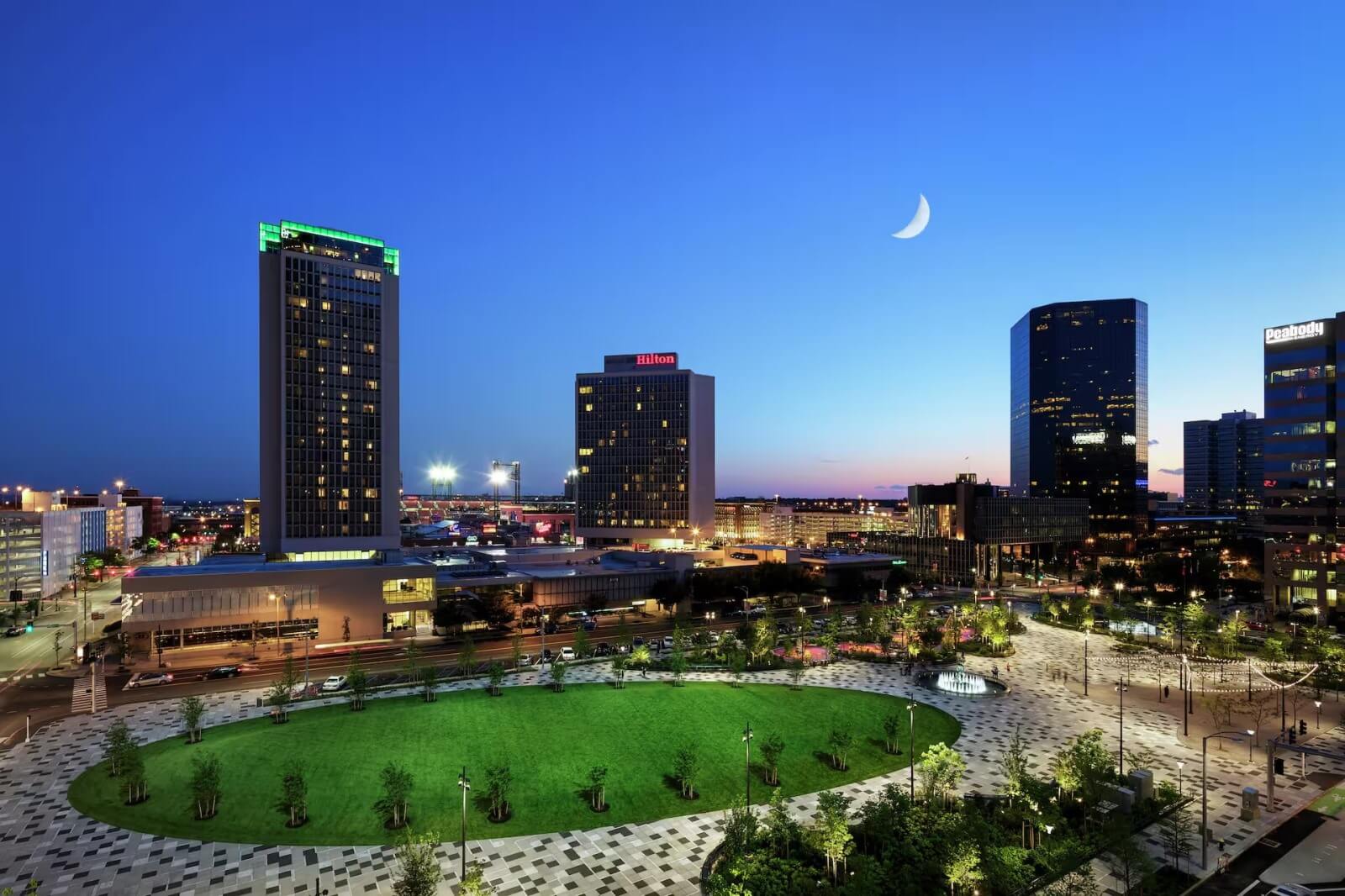
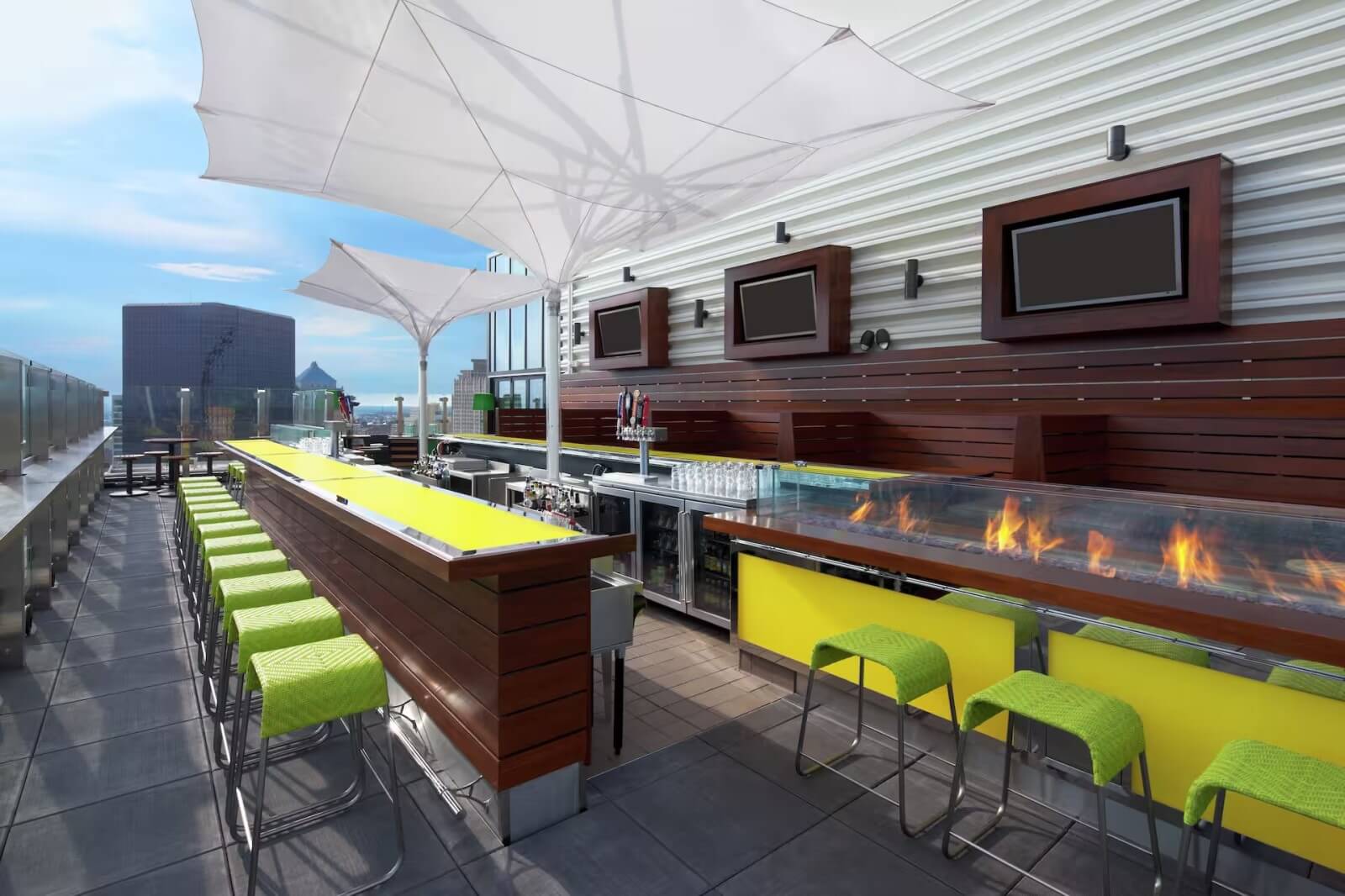
APPAU is hosted at the Hilton St. Louis at the Ballpark in downtown St. Louis. Every class, reception, and hallway conversation is just an elevator ride away.

Reserve your room in the APPA block
Book early — the negotiated rate is only available while the block is open.
Book Your Room Register for APPAUAPPAU 2026:
Your St. Louis Week Mapped Out
September 14–17 at the Hilton St. Louis at the Ballpark.
Everything you need before you land. Hotel, schedule, meals, and a few local favorites.
👋 Welcome
We're excited to welcome you to APPAU 2026! Whether you're attending for the first time or returning, you'll spend the week learning alongside facilities professionals from across North America through IFM, Leadership Academy, T3, and CEFP programs.
🗺️ Hotel
Hilton St. Louis at the Ballpark
1 South Broadway
St. Louis, MO 63102
📱 Events App
Schedules, maps, room assignments, and push notifications — all in one place.
appa.org/event-app →⭐ First Time at APPAU?
- Attend the Monday Opening Reception to meet classmates and APPA leadership.
- Review your schedule in the APPA Events App before each day begins.
- Network! Introduce yourself to classmates and instructors.
- Visit Registration if you need directions or assistance.
- Bring business cards (or a LinkedIn QR code) for making new connections.
🏛️ Behind the Scenes: Gateway Arch Tour
| When | Monday, September 14 • 1:00–3:00 PM |
| Meet | Hilton Lobby at 12:30 PM |
| Sign Up | A signup link will be emailed to you |
🗓️ Schedule at a Glance
Monday, September 14
Optional Gateway Arch Tour (1–3 PM) • Registration (3–7 PM) • Opening Reception (5–6:30 PM)
Tuesday – Thursday
Breakfast • Educational Sessions • Lunch • Breaks (7 AM–5 PM)
Tuesday Evening
T3 Reception (5:30–7:00 PM) — location announced in the APPA Events App
Thursday
Graduation Celebration (5:30–7:00 PM) for IFM and Leadership Academy grads — confirm at Registration.
🍽️ Meals
Breakfast & lunch Tue–Thu, plus breaks and both receptions.
👔 Wear
Business casual. Rooms run cool — bring a light layer.
🎒 Bring
Laptop, charger, notebook, business cards.
🚶 Explore Downtown St. Louis
🍴 Walkable Restaurants
🎭 Entertainment Nearby
📶 Stay Connected
Complimentary Wi-Fi is available throughout the meeting space. Enable push notifications in the APPA Events App for important event updates.
❓ Questions before you arrive?
The APPA Events Team will be onsite throughout the week. Visit Registration, or reach out anytime before you travel.
Email Jessica GormanJessica Gorman • Event Manager, APPA • Events@appa.org
We look forward to welcoming you to St. Louis! 🎉
APPAU 2026:
Frequently Asked Questions
September 14–17 at the Hilton St. Louis at the Ballpark.
Everything you need to know about registration, schedule, and what to expect onsite.
📝 Registration & Check-In
To register you must have and be logged into your APPA account. If you do not have an account, you can create one here.
Registration opens Monday afternoon at 3:00pm in the Grand Foyer. We encourage attendees to check in before the Opening Reception.
Your registration includes educational sessions, scheduled meals and breaks, networking opportunities, and conference activities listed in the APPA Events App.
🗓️ Schedule & App
Download the APPA Events App for the latest schedule, room assignments, announcements, and maps.
Yes. The APPA Events App is the official source for schedules, room locations, push notifications, and event updates. Get the app.
Room assignments and maps are available in the APPA Events App and on onsite signage.
Yes. Complimentary wireless internet is available throughout the meeting space.
Beginning with this APPAU, the Institute has a new delivery model. Electives have been incorporated into tracks. Attendees will now be in the one track all three days.
🎒 While You're There
Business casual is appropriate throughout the week. Meeting rooms can be cool, so bring a light sweater or jacket. Comfortable shoes are recommended.
Bring a laptop or tablet, chargers, notebook, business cards, refillable water bottle, and any course materials requested by your program.
Registered participants should meet in the Hilton lobby before departure for the Behind-the-Scenes Gateway Arch Tour on Monday afternoon.
Breakfast, lunch, refreshment breaks, and scheduled receptions are included as outlined in the event schedule.
Common dietary options will be labeled. Contact the APPA Events Team if you have additional dietary needs.
Visit the Opening Reception, T3 Reception (if applicable), Ballpark Village, or nearby restaurants within walking distance.
The Graduation Celebration takes place Thursday evening at 5:30pm. Graduates should confirm participation with their Registration.
Visit the Registration Desk or an APPA staff member at any time during the conference.
The Gateway Arch, Busch Stadium, Ballpark Village, restaurants, and entertainment are all within walking distance of the hotel.
✉️ Cancellations & Contact
How to cancel: Email your request to events@appa.org.
Refunds: Cancellations received at least 30 days before the event start date receive a full refund of the registration fee.
After the 30-day deadline: Registrations are not refundable and cannot be deferred to a later event. You may transfer your registration to another person within the same organization for the same event; please email events@appa.org to arrange the transfer.
Travel and lodging: APPA is not responsible for any travel or lodging costs.
Contact the APPA Events Team, events@appa.org, with any questions before your arrival.
❓ Still have questions?
The APPA Events Team will be onsite throughout the week. Visit Registration, or reach out anytime before you travel.
Email the Events TeamAPPA Events Team • Events@appa.org
We look forward to welcoming you to St. Louis! 🎉
Behind-the-Scenes Facilities Tour: Gateway Arch
Get a rare look behind the scenes of one of America's most iconic landmarks.

Join us Monday afternoon for an exclusive facilities-focused tour of the Gateway Arch, offering APPAU attendees a unique perspective on the operations, infrastructure, and systems that keep this remarkable national landmark running.
We'll wrap up the facilities tour with an optional trip to the top of the Gateway Arch, where you can take in a spectacular bird's-eye view of St. Louis and the Mississippi River from 630 feet above the city!
Space is limited, so advance sign-up is required. Don't miss this unique opportunity to experience the Gateway Arch from both a facilities professional's perspective, and from the very top!
Tour Details
Reserve Your Spot on the Tour
Experience the Gateway Arch from both a facilities professional's perspective, and from the very top.
Sign up in APPA Events AppCancellations and Transfers
- How to cancel: Email your request to events@appa.org
- Refunds: Cancellations received at least 30 days before the event start date receive a full refund of the registration fee.
- After the 30-day deadline: Registrations are not refundable and cannot be deferred to a later event. You may transfer your registration to another person within the same organization for the same event; please email events@appa.org to arrange the transfer.
- Travel and lodging: APPA is not responsible for any travel or lodging costs.