
Monday · July 13
Executive Committee
Leadership12:00 PM
Executive Committee Lunch
1:00 PM
Executive Committee Meeting
6:30 PM
APPA Board Dinner
APPA’s 2026 Annual Conference brought educational facilities leaders from K-12 schools, community colleges, and universities to the Gaylord National Resort & Convention Center, just outside Washington, D.C., for three days of learning, networking, and inspiration. Thank you to every attendee, speaker, sponsor, and exhibitor who was part of it.
Facilities officers and business partners led breakout sessions on the questions shaping the profession.
Converging infrastructure failures, energy-market volatility, first-hour emergency response, and capital risk across a portfolio.
Skilled-trades pipelines, leading change with intention, growth mindset, and building a culture of ownership.
Smart-campus data platforms, a cloud IWMS migration, and building analytics that become operational strategy.
Moving from condition assessments to execution, and from maintaining buildings to shaping institutional futures.
How younger graduate students reshape campus use, building automation as core infrastructure, and designing for community.
TCO-based capital planning, hidden revenue from existing assets, endowment-style stewardship, and funding a sustainable future.
A full-day pre-conference workshop for senior facilities officers on the facilities executive as institutional strategist.
Patrick S. Malone, PhD, of American University on leadership for those who can’t hit pause.
An afternoon at the Smithsonian Castle and the Arts and Industries Building during the nation’s 250th anniversary.
The business partners whose support made the week possible and who brought their solutions to the exhibit floor.
Registration is open for APPA’s 2027 Annual Conference at The Grand America Hotel. The conference opens Tuesday evening, July 13, with the Opening Reception, followed by two full days of keynotes, educational sessions, and networking.
Register for APPA 2027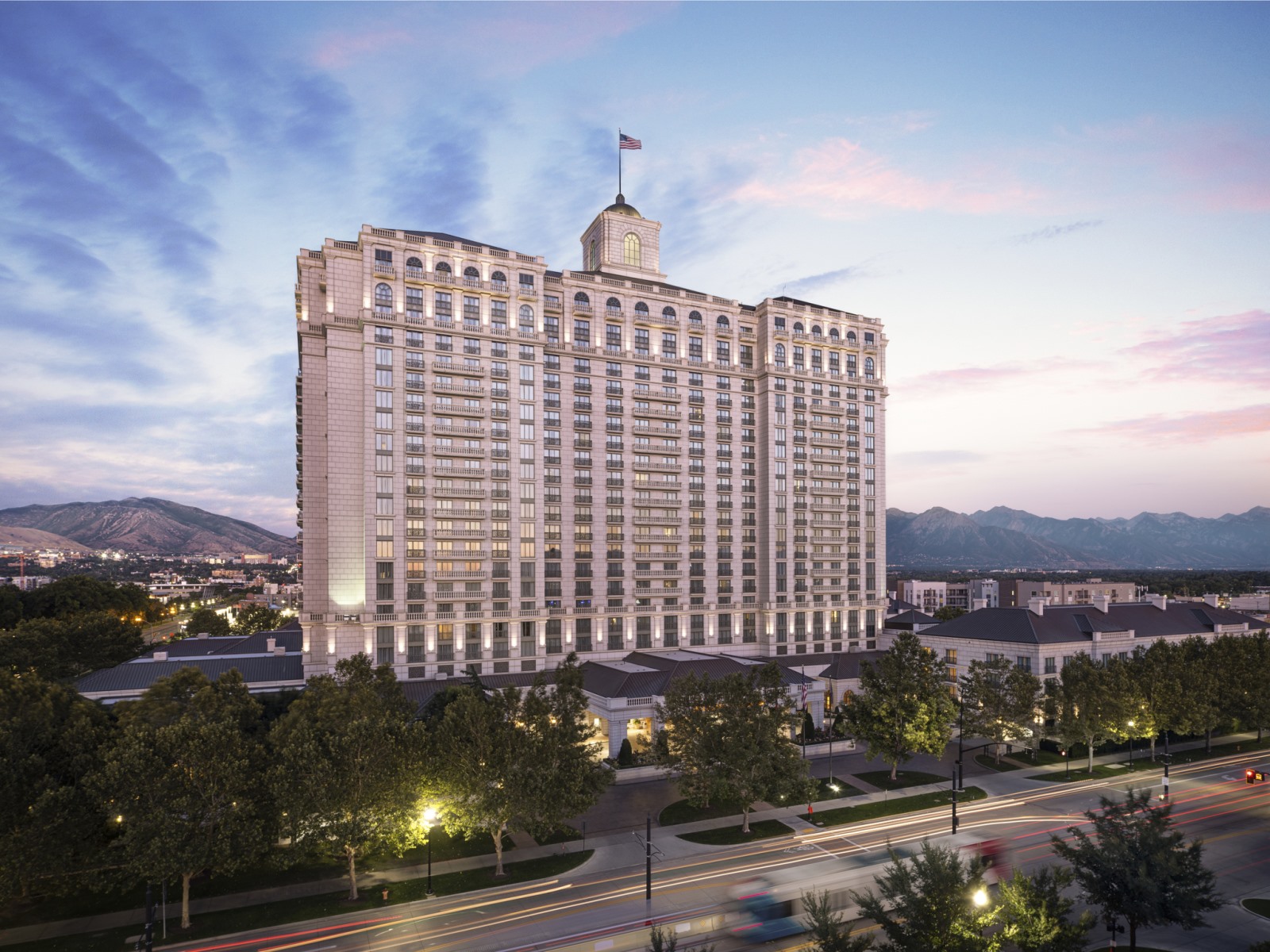
Patrick S. Malone, PhD
Department of Public Administration and Policy
American University
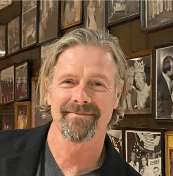
Patrick is the Director, Key Executive Leadership Programs at American University. He is a frequent guest lecturer on kindness, gratitude, emotional intelligence, compassion, ethics, mindfulness, and leadership at various organizations, professional associations, and universities including the Fulbright Scholars Program and the Work-human Conference. His research and teaching interests include human motivation, kindness, leadership, ethics, and organizational behavior. He is also one of the few researchers in the country certified in the mind assessment tool, Subject/Object Methodology, developed at Harvard.
Dr Malone began his career at Accenture and is a retired Navy Captain. While in the Navy, Patrick served in a number of leadership and policy roles including as a professor of biometrics and preventive medicine at the Uniformed Services University of the Health Sciences; Academic Director; and Dean of Academics for Navy Medicine. His most recent publications include: “Critical Conversations and the Art of the Undiscussable,” “For the Love of Brain – Our Best Friend in Talent Development,” “Selfies in the Workplace,” “Kindness and Survival of the Fittest,” “Go Ahead, Laugh – Why Humor Makes for a Better Workplace,” and “VulnerABILITY - Can Managers Benefit from Extreme Exposure?”
His TED Talk, “Thinking about Time,” is available at http://tedxtalks.ted.com and his co-edited book, The Handbook of Federal Leadership and Administration was published in November 2016. His critically-acclaimed coauthored book Leading with Love and Laughter – Letting Go and Getting Real at Work was released in Spring 2021. His book Emotional Intelligence in Talent Development came out in October 2021. Patrick’s new co-authored book Little BIG Decisions was released in Fall 2025.
He and his wife Zina live on a sailboat on the Chesapeake Bay, somewhere, depending on the wind.
SFOs face unique challenges and opportunities every day. We're providing a free pre-conference workshop exclusively for SFOs to meet, exchange ideas, and hear about solutions. Tickets are free for SFOs attending the conference. SFOs are considered individuals with titles of Director, AVP, or AVC.
All SFO Summit participants must have a ticket to the Conference as well.
The Facilities Executive as Institutional Strategist – Moving from Operational Leader to Strategic Insider.
How to help Presidents and CFOs Think About Risk, Not Buildings
Reframing Deferred Maintenance as Institutional Exposure/Investment
Executive Presence for Facilities Leaders - -seat at the table
Evolving culture of a facilities organization
What to Stop Explaining and What to Start Framing (also leads into the conference theme)
Innovative ideas to fund Facilities (Operations and Campus Renewal)
Stay onsite at the conference hotel with special rates starting at $259/night. Book your room now!
Gaylord National Resort & Convention Center
201 Waterfront Street,
National Harbor, Maryland, USA, 20745

Six days from Executive Committee meeting through Smithsonian tours. Leadership programming begins midweek; the main conference opens Thursday evening with the exhibition reception and runs through Saturday.
Complete session-level program from Monday's pre-conference leadership meetings through Thursday's SFO Summit and the main conference Friday & Saturday. Click any breakout to read the full abstract.
Andy Feick, Swarthmore College · Pete Zuraw, Gordian · Mark Miller, Penn State University
Read moreFM has a seat at the table. The question is how to use it. This opening roundtable kicks off the day with a candid conversation about what it takes for facilities leaders to show up as strategic partners, not just service providers. Participants will dig into how to connect the work of the facilities organization to institutional priorities, and what it looks like to earn real influence with presidents, provosts, and boards.
Pete Zuraw, Gordian · Lynne Finn, University of Iowa · Mike Clements, University of Minnesota
Read moreDeferred maintenance is growing, capital budgets are tight, and R&R funding is under pressure at institutions across the country. Facilities leaders who want to move the needle need to understand the full range of options available to them. This session looks at how institutions are getting creative with financing — from P3 arrangements and energy performance contracts to revolving infrastructure funds — and how FM leaders can build a compelling case for long-term investment in the physical plant.
Michelle Smith, URMIA · Mina Amundsen, Williams College · John D'Angelo, Indiana University
Read moreWhen facilities leaders walk into a budget conversation, they are often speaking a different language than the president or CFO across the table. Executives tend to think in terms of liability, accreditation, enrollment, and financial health — not FCI scores or maintenance ratios. This session helps participants understand how institutional leaders frame risk, and what it takes to translate facilities needs into terms that actually land with the people who control the budget.
Michelle Smith, URMIA · Mina Amundsen, Williams College · Bill Roth, Roth IAMS
Read moreMost facilities leaders know their data. The harder part is knowing what to lead with. This session pushes participants to rethink the way they tell their story, moving away from work order counts and maintenance percentages and toward the outcomes that senior leaders actually care about. The focus is on how to frame capital and operational needs around student experience, institutional risk, and mission — not just FM performance metrics.
Andy Feick, Swarthmore College · Elizabeth Drake, Swarthmore College · Matt St. Clair, University of California · Prem Sunderham, DLR Group
Read moreCarbon commitments are real, and so are the challenges of making good on them with aging infrastructure and limited capital. This panel brings together practitioners who are working through exactly that tension. Conversation will cover energy master planning, electrification, carbon accounting, and how to keep sustainability goals connected to deferred maintenance and renewal priorities rather than siloed from them. Panelists will share what has worked, and what has not, in making the internal case for decarbonization investment.
Andy Feick, Swarthmore College
Read moreThe day closes with an open conversation to pull together the key themes and takeaways. Participants will reflect on what resonated, what they want to bring back to their institutions, and what questions are still worth sitting with. It's a chance to slow down, compare notes, and leave with something concrete.
Jessica Donovan, University of Cincinnati · Leila Kamal, HDR
Read moreAnnapolis 1-2
The University of Cincinnati has experienced remarkable growth, with enrollment increasing from 34,000 (2003) to nearly 54,000 (2025), driven largely by STEM disciplines. To sustain this momentum and reach 60,000 students by 2030, the university is developing a new STEM-focused facility on the Crosley Tower site. This presentation showcases innovative design solutions for a building that transforms traditional STEM architecture into a multidisciplinary destination fostering curiosity, collaboration, and discovery. Attendees will explore how mass timber construction supports student wellbeing and connection to nature, how urban site constraints shaped creative exterior massing solutions, and how interior planning supports four guiding principles: attract and interact, research and reach out, resilient and sustainable, and creativity and curiosity. The session offers practical insights for institutions planning shared research and teaching facilities that advance transdisciplinary innovation.
Michelle Joyce, Towson University
Read moreAnnapolis 3-4
Towson University's Skilled Trades Education Pathway (STEP) addresses critical workforce shortages while expanding equitable career access for local high school students. This innovative program partners with Baltimore County Public and City Schools to recruit seniors into paid, part-time campus employment, rotating through carpentry, plumbing, electrical, and paint shops with hands-on training and mentorship from experienced professionals. Unlike unpaid internships, STEP's compensated model removes financial barriers, enabling diverse participation. The program measures success through enrollment, completion rates, skill development, and post-graduation placement into apprenticeships or employment. This session demonstrates how public universities can serve as anchor institutions, leveraging infrastructure and expertise to strengthen regional workforces while supporting underrepresented youth. Attendees will gain transferable strategies for developing work-based training programs that address recruitment pipelines, succession planning, and long-term talent sustainability.
Steve Burell, Northern Arizona University · Chris Cervizzi, Willow Inc.
Read moreBaltimore 1-2
Northern Arizona University's ambitious 2030 carbon-neutrality goal required a complete transformation of how the 600-acre campus manages data. Facing disconnected sensors, siloed building systems, and months-long sustainability reporting, NAU partnered with Willow to create a unified Operational AI platform across 129 buildings. The solution converged 8+ system integrations spanning HVAC, energy metering, occupancy, and CO₂ emissions into a single intelligent platform delivering real-time actionable insights. Results include over $1 million in identified avoidable costs, automated occupancy-based HVAC adjustments, and a fundamental shift from reactive to proactive management. The platform now serves as a teaching tool, preparing career-ready graduates with real campus data. This session provides a practical roadmap for building digital twins, driving cross-departmental collaboration, and creating scalable data infrastructure that grows more powerful with each new building.
Stephen Woolridge, University of Miami Health · Erica Barbuto, Halcyon Facilities Group
Read moreBaltimore 3-4
This session challenges the traditional facilities model of condition assessments and static deferred maintenance inventories, presenting instead a refurbishment-first operating approach. Learn how facilities teams can evolve from measuring need to actively managing risk, stabilizing assets, and executing renewal work. The presentation demonstrates practical strategies for moving from static assessments to technically validated, scoped refurbishment projects that reduce risk and drive measurable outcomes. Attendees will gain methods to shift leadership conversations from headline backlog figures to actionable, risk-based decision-making. The session provides practical steps for transforming facilities teams from reactive backlog managers to proactive, execution-oriented operations—fundamentally redefining the identity and strategic impact of facilities professionals within their institutions.
Nico Hohman, Georgetown University
Read moreAnnapolis 1-2
U.S. graduate education is experiencing a significant demographic shift: students aged 24 and under now represent a rapidly growing share of enrollment, fundamentally changing how campuses are used. Drawing on national enrollment data and the Graduate Youth Index, this session translates demographic research into practical facilities implications. Younger graduate students exhibit undergraduate-like behaviors—longer campus presence, higher demand for collaborative and recreation spaces, increased housing expectations, and less tolerance for outdated scheduling models. Participants will explore how this trend challenges legacy assumptions in campus planning, capital programming, and operations. Using an Owner-centric framework, the session examines impacts on space typologies, housing strategies, recreation infrastructure, and long-term cost planning. The discussion extends to how this demographic shift will shape the future workforce entering facilities, construction, and design industries, providing frameworks for proactive rather than reactive planning.
David Van Hook, Bartow County School System
Read moreAnnapolis 3-4
This presentation expands on APPA's Total Cost of Ownership (TCO) formula by incorporating non-financial considerations alongside peer-reviewed resources from "The Facility Management Handbook" and APPA's operational guidelines. Through practical anecdotes, the session illustrates TCO-based decision-making in both new construction and capital renewal processes. A key discussion point examines why the term "deferred maintenance" may actually hinder budget outcomes—and how using proper terminology can lead to more favorable long-term funding results. Attendees will learn to apply TCO principles to justify capital expenditures and guide facility master planning decisions, gaining practical insights for navigating tight fiscal environments while making compelling cases for necessary investments.
Elizabeth Clark, Penn State University — Facilities Engineering Institute
Read moreBaltimore 1-2
Change in facilities operations is constant—budget constraints, staffing shortages, evolving expectations, and new technologies demand rapid adaptation. While circumstances may be beyond individual control, how leaders show up, focus their influence, and engage others through uncertainty remains within their power. This interactive session explores the mindset and skill set of effective change agents, whether leading formally or influencing from within. Participants will examine practical strategies for focusing influence, listening with empathy, communicating purpose, and staying grounded when plans shift. Attendees will learn to differentiate between what they can control, influence, or release during organizational change, apply empathic listening to build trust, clarify personal and team purpose, and sustain energy through practical self-management strategies—navigating change with intention rather than reaction.
Romie Prince, Morgan State University · Rachel Raff, Ready 2 Respond
Read moreBaltimore 3-4
Water damage incidents remain one of the most frequent operational disruptions on college and university campuses, often escalating during the critical first response window before outside contractors arrive. As institutions face aging infrastructure and increasing disruption pressures, facilities leaders must move beyond reactive response models. Attendees will explore how Morgan State University—recently recognized in APPA's Facilities Maintenance publication—shifted from contractor-dependent response to an internal-first model. The university has mitigated multiple water losses in-house, reducing contractor reliance, minimizing affected square footage, and lowering external costs. This session demonstrates how redefining early response can reposition facilities from responders to leaders.
Winnie Kwofie, Texas Tech University · Lindsay Wagner, APPA
Read moreAnnapolis 1-2
Many members of the campus community, often women, spend considerable time waiting for restroom access. New mothers in particular may find themselves waiting even longer for stall access for lactation purposes. This panel session features three female FM leaders sharing research findings on how gender disparities in facilities management leadership contribute to these challenges. Each panelist presents key insights from their doctoral studies and discusses implications for professional practices. Attendees will recognize the hidden factors contributing to gender disparities in FM leadership, understand how underrepresentation perpetuates inequities in space use across campus (ADA, lactation needs, access, signage), and learn to advocate for inclusive practices in design standards, space allocation, and policies.
Kelly Johnson, UNMC · Rick Kmiecik, IMEG · Kelly Jenkins, Delta Intelligent Building Technologies
Read moreAnnapolis 3-4
Building automation systems (BAS) critically impact operational performance, energy strategy, cybersecurity, and asset management—yet many campuses still deliver BAS through traditional construction models where controls arrive late, creating fragmented responsibilities and misaligned systems. This session presents a case study from University of Nebraska Medical Center, where BAS was reframed as core campus infrastructure. UNMC shifted controls responsibility to the low voltage contractor and established early strategic partnerships among owner, manufacturer, engineering firm, and contractor. Front-loading BAS architecture, sequences, and bills of material at project submission enabled accurate pricing, improved coordination, and concurrent installation with electrical rough-in. Presented jointly by university and industry partners, attendees will gain practical lessons and a scalable framework for improving cost predictability, installation quality, and operational readiness across diverse campus environments.
Hunter Gellman, Florida Atlantic University
Read moreBaltimore 1-2
Emergencies rarely arrive alone. In August 2025, Florida Atlantic University faced converging infrastructure failures during student move-in: a central energy plant serving 40% of campus housing lost half its capacity while multiple lift stations experienced simultaneous pump failures. This candid case study examines how FAU Housing Facilities responded in real time, stabilized essential services, and translated crisis-driven lessons into long-term capital resiliency strategy. Attendees will learn how these events exposed system vulnerabilities, reshaped prioritization of redundancy and risk mitigation, and influenced capital planning for years ahead. The presentation provides practical frameworks for evaluating infrastructure resilience, making high-stakes decisions under pressure, and aligning emergency response with future-focused planning—offering actionable insights for institutions preparing for the next "normal."
Doug Pearson, Kent State University · Victor Hoerst, OnSite Partners
Read moreBaltimore 3-4
This presentation explores how existing campus assets can maximize their impact on electricity billing and generate hidden revenue. Attendees will learn the high-level mechanics of electricity billing, particularly how a handful of peak hours can impact costs by tens of thousands of dollars annually. The session covers practical use cases demonstrating how backup generators can provide site resiliency while affecting billing with limited run hours, and how strategic boiler management can significantly reduce electricity costs. Kent State University shares firsthand experiences with projects that improved facility services economics while enhancing resilience. Facilities professionals will leave with actionable strategies for unlocking value from assets they already own.
CJ Singer, IMS Consulting · Lana Soroka & Priti Bhatia, Georgia Institute of Technology
Read moreAnnapolis 1-2
In 2024, Georgia Tech undertook a major modernization: migrating from the legacy Insite system to a fully cloud-based Archibus IWMS. This session shares the strategy, challenges, and lessons from this multi-phase transformation, including automated conversion of nearly 1,000 floorplans, cleanup of complex space types like Open-to-Below areas and structural shafts, and redesign of an eight-level organizational hierarchy into a modernized trace-based structure. Beyond migration, Georgia Tech implemented cloud integrations with HR and Workday, eliminating manual updates and creating a continuously accurate data environment. A cloud-to-data-lake pipeline now supports analytics, dashboards, and future AI initiatives. Attendees will gain practical insights into planning large IWMS migrations, overcoming data quality obstacles, and building scalable, intelligent campus data ecosystems—whether evaluating a future migration or optimizing current systems.
Brian Sands, Exeter Region Cooperative School District
Read moreAnnapolis 3-4
This presentation explores how adopting a growth mindset—a learning-driven, adaptable approach—can elevate performance across all areas of facility operations. By embracing challenges, seeking continuous improvement, and viewing setbacks as opportunities, facilities professionals can strengthen leadership, improve problem-solving, and drive innovation within their teams. Attendees will learn to define growth mindset and its relevance to facilities leadership and decision-making, identify practical strategies for leveraging setbacks to improve performance, and apply continuous improvement principles to operations, maintenance, and team development. The session provides actionable methods for fostering growth mindset culture within facilities teams, promoting accountability, innovation, and resilience while strengthening adaptability in response to evolving regulations, technologies, and organizational demands.
Debra Nauta-Rodriguez, The Catholic University of America · Fatmir Gjinaj, F&D Partners
Read moreBaltimore 1-2
Higher education operates in a fundamentally different energy environment today. Capacity auction spikes, transmission volatility, regulatory pressures, electrification, and growing data center demand are reshaping utility costs. Traditional fixed-price procurement strategies no longer suffice. This session reframes energy from a controllable expense to a dynamic institutional risk variable, introducing a three-pillar resilience framework: proactive supply risk management, financial integrity through billing validation and tariff alignment, and operational flexibility via demand response and peak load strategies. The Catholic University of America shares its experience navigating market volatility, validating financial baselines through historical billing review, and strengthening oversight processes. Attendees will gain insights on identifying hidden billing risks, structuring layered procurement approaches, integrating demand response into resilience planning, and establishing governance frameworks that elevate facilities leadership in strategic financial discussions.
Nathaniel Saviet, Bergen Community College · Walter Kneis, NK Architects · Lawrence Eighmy, The Stone House Group
Read moreBaltimore 3-4
While institutions carefully manage financial endowments, physical campuses—often the largest asset portfolio—are frequently managed reactively through deferred maintenance lists. This session explores adopting an endowment-style stewardship approach to managing the built environment. Bergen Community College integrated its Master Plan with a comprehensive Facility Condition Assessment (FCA) to create a data-driven framework protecting and optimizing physical asset value. By defining deferred maintenance backlog, establishing prioritization criteria, and setting long-term funding baselines, the College reframed facilities planning as asset portfolio management. The FCA now functions as a living stewardship tool informing capital decisions, controlling costs, guiding staffing, and helping leadership understand financial implications of investment and neglect. Attendees will learn practical methods for protecting institutional assets, prioritizing investments, and communicating facilities stewardship value to executive leadership.
John Kambic, Northern Virginia Community College · John Edwards, FEA
Read moreAnnapolis 1-2
Higher education faces structural change: flattening enrollment, shrinking workforce pipelines, and uncertain state support, while dual enrollment and asynchronous learning reshape campus usage. Facilities organizations must evolve from reactive fixers to strategic leaders. Northern Virginia Community College embraced this shift through a master planning framework built on three tenets: invest, divest, and fix. Rather than assuming growth, NOVA evaluated which buildings it truly needs and how the built environment can strengthen long-term fiscal health. With FEA's assistance, NOVA confronted significant deferred maintenance backlog, informing a proactive "fix" program to reduce reactivity and align capital planning with institutional priorities. Strategic investment in high-impact learning spaces, combined with disciplined stewardship, repositioned facilities as an institutional resilience driver. Attendees will learn how to use data and long-term planning to move from maintaining buildings to shaping institutional futures.
Curt Brown, Palm Beach Atlantic University · Anya Grant, Leo A Daly
Read moreAnnapolis 3-4
Thurgood Marshall Hall (University of Maryland) and Marshall and Vera Lea Rinker Business Hall (Palm Beach Atlantic University) exemplify architecture's transformative power in fostering community. These facilities transcend traditional academic boundaries by intentionally bringing together students, faculty, industry leaders, and the broader community. Drawing from post-occupancy evaluation results, this presentation highlights design strategies for engagement: inviting community into facility hearts with flexible venues catalyzing partnership; planning office environments using post-pandemic best practices to create spaces where people want to work in person; centering inclusive, accessible student hubs that reinforce ownership and community; and balancing openness with safety through passive design strategies like line-of-sight and integrated security. Attendees will learn practical approaches for elevating donor and alumni relationships, increasing employee engagement through design, and implementing security strategies that avoid common pitfalls.
Jean Robinson, University of Massachusetts Lowell · Jacob Blythe, Gordian
Read moreBaltimore 1-2
The University of Massachusetts system confronts a familiar reality: aging facilities, rising capital costs, and persistent backlog despite sustained investment. With nearly half of system space over 50 years old, the challenge has shifted from prioritizing repairs to sustaining long-term portfolio strength. System and campus leadership, including UMass Lowell, have begun reframing facilities stewardship as a portfolio question rather than a project-by-project exercise. This shift influences how reinvestment decisions are evaluated, underperforming assets assessed, and capital planning aligned with institutional priorities and financial capacity. Through scenario-based planning and system-informed analysis, UMass Lowell explores how targeted reinvestment, consolidation, and long-term asset positioning can reduce high-liability space exposure while supporting mission-driven growth. Attendees will learn how a system-enabled perspective helps campus leaders move from reactive backlog management toward proactive portfolio strategy.
Mike Klapmeyer, Hamilton College · Sara Culotta, Siemens
Read moreBaltimore 3-4
When students and faculty called for stronger climate action, Hamilton College's Board accelerated its carbon neutrality goal from 2050 to 2030—creating unprecedented challenges and opportunities for campus facilities. This session showcases Hamilton's pursuit of environmental and financial sustainability through systems modernization of its science center and library. Partnering with Siemens for a comprehensive 18-month energy efficiency program, the College reduced Scope 1 and 2 emissions by 9%. The library is undergoing complete transformation from legacy HVAC to geothermal heating and cooling with solar integration. State, federal, and utility funding proved essential for financial feasibility. Attendees will learn how Hamilton navigated total cost of ownership comparisons, future scenario modeling, and energy performance contracting. Presenters share actionable strategies for funding transformative projects, leveraging partnerships, and positioning facilities teams as strategic partners driving institutional and environmental goals.
Gabe Hampton · Bobby Aldrich · Crystal Smith · Lalit Agarwal · Dave Ulmer
Annapolis 1-2
Read moreA direct conversation with APPA's Executive Committee. Brief opening remarks followed by extensive Q&A — your chance to ask leadership questions about strategy, programs, and the direction of the association.
Baxter Goodly, George Washington University · Anthony Maione, Core America
Read moreAnnapolis 3-4
In today's constrained labor environment, facilities leaders must drive cultural change and strengthen accountability with limited resources. George Washington University recognized that meaningful improvement required a coordinated, multi-year strategy focused on workforce ownership and measurable performance. This session examines GW's cultural transformation through three integrated pillars: a zone-based maintenance model clarifying responsibility and strengthening customer relationships; enterprise work management modernization improving data quality and leadership insight; and a custodial performance partnership grounded in APPA standards and objective quality measurement. Together, these initiatives shifted behaviors from reactive to proactive, reinforced shared accountability, and aligned frontline teams with supervisors and executive leadership. Attendees will gain insight into leadership decisions, change management strategies, and technology enablement that helped GW improve service outcomes and sustain accountability across a complex campus.
Colby Tuttle, Clockworks Analytics
Read moreBaltimore 1-2
Eight years ago, Western Michigan University launched fault detection and diagnostics (FDD) across eight buildings. Today, the program spans 23 buildings and 2,000 monitored equipment pieces, driving 746 corrective actions and $568,000 in annual cost avoidance (1.4-year payback). Beyond savings, WMU transformed building data into operational strategy supporting commissioning, maintenance, and campus reliability. This session shows how analytics becomes a practical operational tool—not just another dashboard—by embedding diagnostics into maintenance workflows, capital projects, and vendor collaboration. Learn how WMU uses FDD to support new construction commissioning, turns analytics into prioritized work tasks, integrates third-party providers into diagnostic processes, and demonstrates measurable outcomes justifying continued investment. Attendees gain a repeatable framework for building the intelligent campus where facilities data, workflows, and partnerships improve building performance.
Sean Avery, DLR Group · Matt Harmann, McGough Construction
Read moreBaltimore 3-4
Using a case study from the University of Minnesota, this presentation examines the rationale for constructing a new campus data center and integrating it into established architectural environments. The discussion highlights operational needs driving the project—improved reliability, expanded capacity, and greater resiliency supporting research, academic, and administrative functions. The presentation explores how building architecture and material selection aligned with campus design guidelines while meeting mission-critical facility requirements, with emphasis on maintaining security and controlled access in a highly visible campus core location. Attendees will learn how the Advanced Operations Center applied contemporary data center trends including enhanced energy efficiency, mechanical and electrical redundancy, and built-in flexibility for future growth. The session provides insight into how thoughtful planning, architectural integration, and forward-looking infrastructure design produce resilient data centers supporting evolving institutional needs.
Our Shared Future: 250 | Smithsonian Institution

Enjoy a scenic bus ride into the nation’s capital, arriving at the Smithsonian’s Haupt Garden on Independence Avenue to begin your Smithsonian journey. From there, you will take a short walk to the Smithsonian Castle, the institution’s first and oldest building. Opened in 1855, the Castle serves as both a historic architectural and cultural icon and the public gateway to the Smithsonian. Although still undergoing extensive renovation, portions of this landmark have reopened in celebration of the 250th Anniversary of the United States.
After your self-guided tour of the Castle, continue next door to the Smithsonian’s second-oldest building, the Arts and Industries Building. Closed to the public since 2004 with only limited special openings, this visit offers a rare opportunity to explore another unique Smithsonian space. The building features anniversary exhibits focused on creative exchanges of ideas about America’s past and future, including the Voices and Votes traveling exhibition, the Folklife Marketplace and performance stage, and other exhibits celebrating the United States.
If time allows, take a walk along the National Mall. Enjoy views of the Capitol and the Washington Monument, snap a few photos, and relax with a treat from a nearby food truck or kiosk while taking in the open green space.
The APPA Events app is the hub of information for attendees at APPA events. Check program schedules, view speakers/topics, connect with attendees, and more within a single app. The APPA Events app is available for Apple and Android devices and uses your APPA website login (the same email/password you use to access Member Compass).
Please download the app prior to arrival.
 |
 |
 |
 |
With the Lead Capture add-on package, your team will have a seamless way to collect and store attendee contact information on-site by simply scanning a QR code from your mobile device. Lead collection, at the APPA Annual Conference, is powered by EventMobi's Lead Capture tool, and will require download of the app. Use the same e-mail and password as your company portal profile.
Download the app to every device that your team plans to use at the booth before you arrive:
|
|
 |
 |
We extend our sincere appreciation to our sponsors for their generous support and partnership.
Your investment helps make this event possible and strengthens our ability to deliver valuable education, meaningful networking, and an exceptional experience for our attendees. 
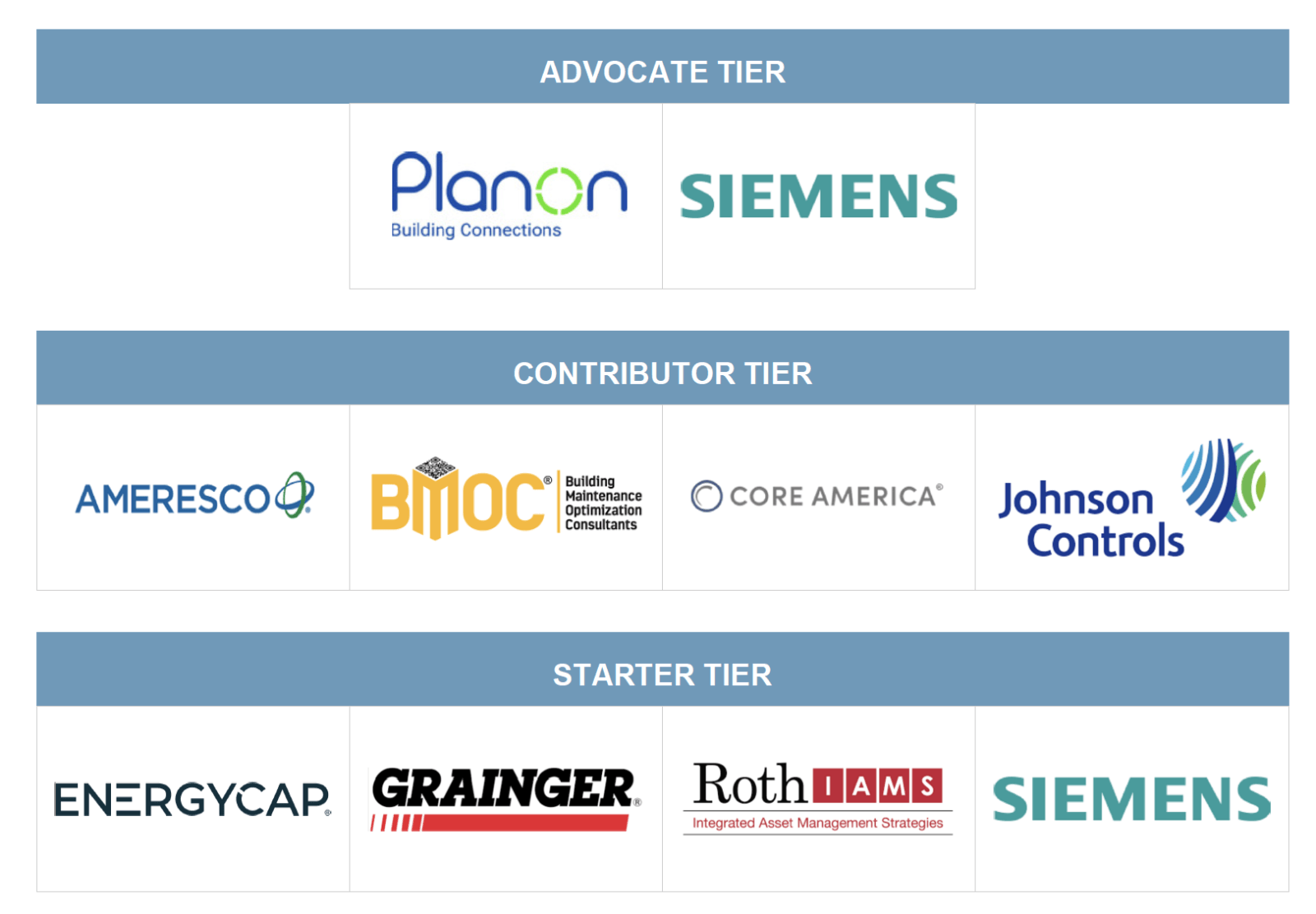

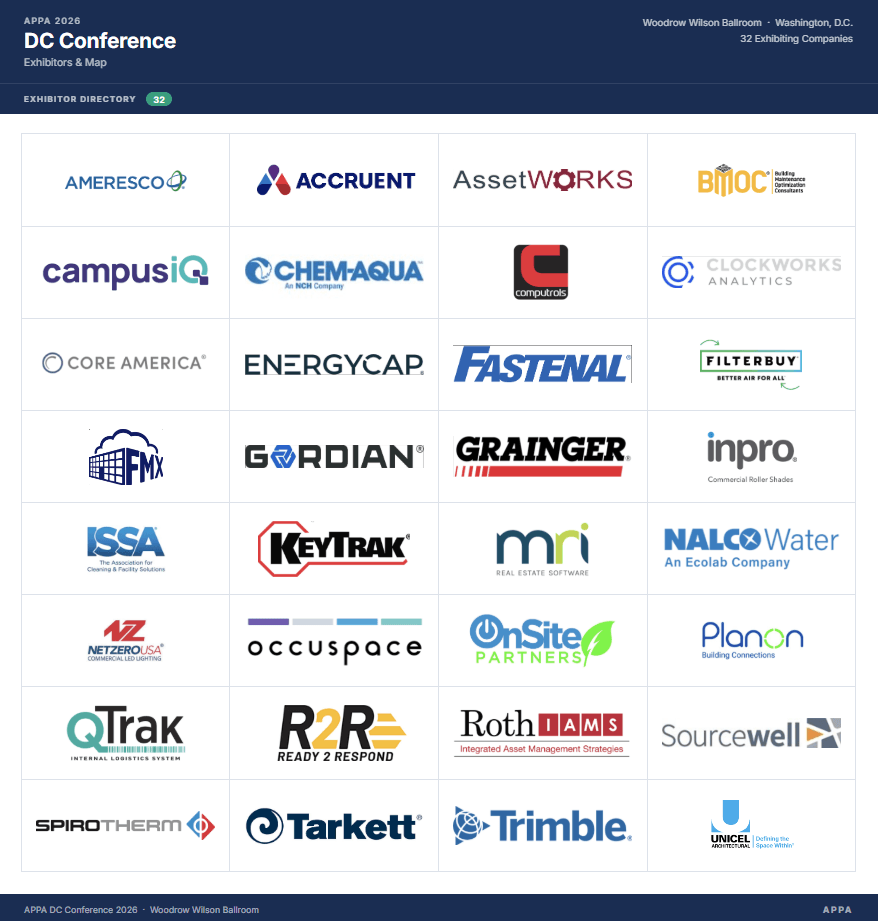
We are grateful to our exhibitors for their support and participation in this year’s Conference.
Your partnership helps create meaningful connections, showcase valuable solutions, and enhance the overall attendee experience.
We appreciate your commitment to our community and thank you for being a part of this event.
We are delighted to welcome you to the APPA 2026 Annual Conference, held July 16–18, 2026 at the Gaylord National Resort & Convention Center in National Harbor, Maryland.
This Exhibitor Kit provides all the essential details you’ll need to prepare for a smooth, successful, and high-impact presence throughout the event.
Please review the information below, and don’t hesitate to reach out with any questions.
We are here to support you every step of the way.
Your partnership helps us deliver an outstanding experience for hundreds of leaders, innovators, and decision-makers from across the educational facilities profession.
Your Exhibitor Tabletop Purchase Includes:
Visibility & Branding:
One Conference Ticket
Recognition on Event Mobile App – Exhibitor Page
Exhibitor-Related Inclusions: July 16-18, 2026
Your exhibitor booth includes:
6’ x 6’ Booth Space
One 6 ft table with basic linen/two chairs
One 120V power drop (if pre-purchased)
One Lead Capture Device (if pre-purchased)
6’ Draped Table with Basic Linen
One Complimentary Registration
(Please do make sure we have the correct name for Registration)
Listing in Event App Exhibitor Directory
Access to Attendee List 14 days prior to event
Electricity:
Additional 120V power may be requested. Cost: $150.00.
Registration includes:
Thursday Reception
Keynote Presentation
Friday & Saturday Breakfasts
Friday & Saturday Lunches
Learning Sessions
Trade Show Hours
Thursday, July 16 — 6:00 pm – 8:00 pm
Friday, July 17 — 6:45 am – 5:00 pm
Saturday, July 18 — 6:45 am – 1:00 pm
Shipping Information:
See direct shipping instructions as linked here
DO NOT ship to the Loading Dock, please only ship in/out to the onsite FedEx office
Packages may arrive no more than 48 hours prior to your arrival.
Move-In & Move-Out Schedule
Move-In:
Thursday, July 16 — 11:00 am – 4:00 pm
Woodrow Wilson Ballroom
Move-Out:
Saturday, July 18 — 1:00 pm – 5:00 pm
Dress Code:
Business Casual for all conference events.
Parking:
Self-Parking: $50 daily
Valet Parking: $75 daily
Internet Access:
Complimentary wireless internet in meeting space.
Event Overview & Key Details
Event Location
Gaylord National Resort & Convention Center
201 Waterfront St
National Harbor, MD 20745
Program Schedule
A full schedule with meeting room assignments will be shared via email and posted in the conference mobile app prior to the start of the program.
NEW Mobile App:
All schedules, room locations, announcements, and updates will be available in the APPA Event Mobile App.
Please download the app prior to arrival. See here for instructions.
iOS and Android Compatible, just search APPA Events & find APPA Annual Conference
Login Credentials: Use your same Login as your APPA/Novi login/password
Thank you again for your partnership and participation in the APPA 2026 Annual Conference. We deeply value the expertise and solutions that our exhibitors bring to the facilities community.
We look forward to welcoming you at the Gaylord National and supporting a successful, engaging, and meaningful event for you and your team.
Onsite Support & Contact
Jessica Gorman
Event Manager, APPA
Urgent Onsite Assistance: 970-531-5459
General Inquiries: events@appa.org
APPA.org